

Managing employee performance and workplace behavior is one of the most important responsibilities for HR teams and business leaders. Every organization faces situations where employees may violate company policies, fail to meet expectations, or create workplace conflicts. Without a clear disciplinary process, these issues can negatively affect productivity, team morale, compliance, and overall business operations.
A well-structured disciplinary action process helps organizations maintain professionalism, improve accountability, and create a fair work environment where employees clearly understand expectations and consequences. More importantly, disciplinary action should not simply focus on punishment. Its real purpose is to guide employees toward improvement while protecting workplace standards.
In this guide, we’ll explain everything employers and HR managers need to know about disciplinary action, including common types, best practices, examples, legal considerations, and how workforce management software can simplify employee discipline tracking.
What Is Disciplinary Action?
Disciplinary action is a formal process employers use to address employee misconduct, behavioral problems, attendance issues, or poor performance. It involves documenting concerns, communicating expectations, and taking corrective measures when necessary.
In many organizations, disciplinary action becomes necessary when employees repeatedly violate workplace rules or fail to meet company standards. Some common examples include:
- Frequent lateness or absenteeism
- Poor work quality
- Harassment or inappropriate behavior
- Failure to follow company policies
- Missed deadlines and productivity issues
- Insubordination or workplace conflicts
An effective disciplinary process ensures that all employees are treated fairly and consistently while giving them an opportunity to improve.
Why Disciplinary Action Is Important
Many companies avoid addressing workplace issues because managers feel uncomfortable having difficult conversations. However, ignoring employee misconduct can create bigger problems over time.
A strong disciplinary process helps organizations:
- Improve employee accountability
- Maintain workplace professionalism
- Reduce compliance and legal risks
- Improve employee performance
- Protect company culture
- Increase operational efficiency
For example, if attendance issues are ignored, other employees may begin to feel that workplace rules are not enforced equally. Over time, this can reduce morale and productivity across the entire organization.
When handled correctly, disciplinary action creates transparency and helps employees understand how their actions impact business operations and team performance.
Also read : How to Write Up an Employee: 11 Common Situations (2026 Guide)
Common Reasons for Disciplinary Action
Different workplace situations require different levels of disciplinary action. Some issues may only require coaching or verbal feedback, while others may need formal corrective action.
Attendance and Time Management Issues
Attendance problems are among the most common reasons employers initiate disciplinary action. Repeated lateness, excessive absenteeism, and unauthorized leaves can disrupt productivity and create operational challenges.
Examples include:
- Repeated late arrivals
- Leaving work early without approval
- Excessive sick leave misuse
- Failure to follow shift schedules
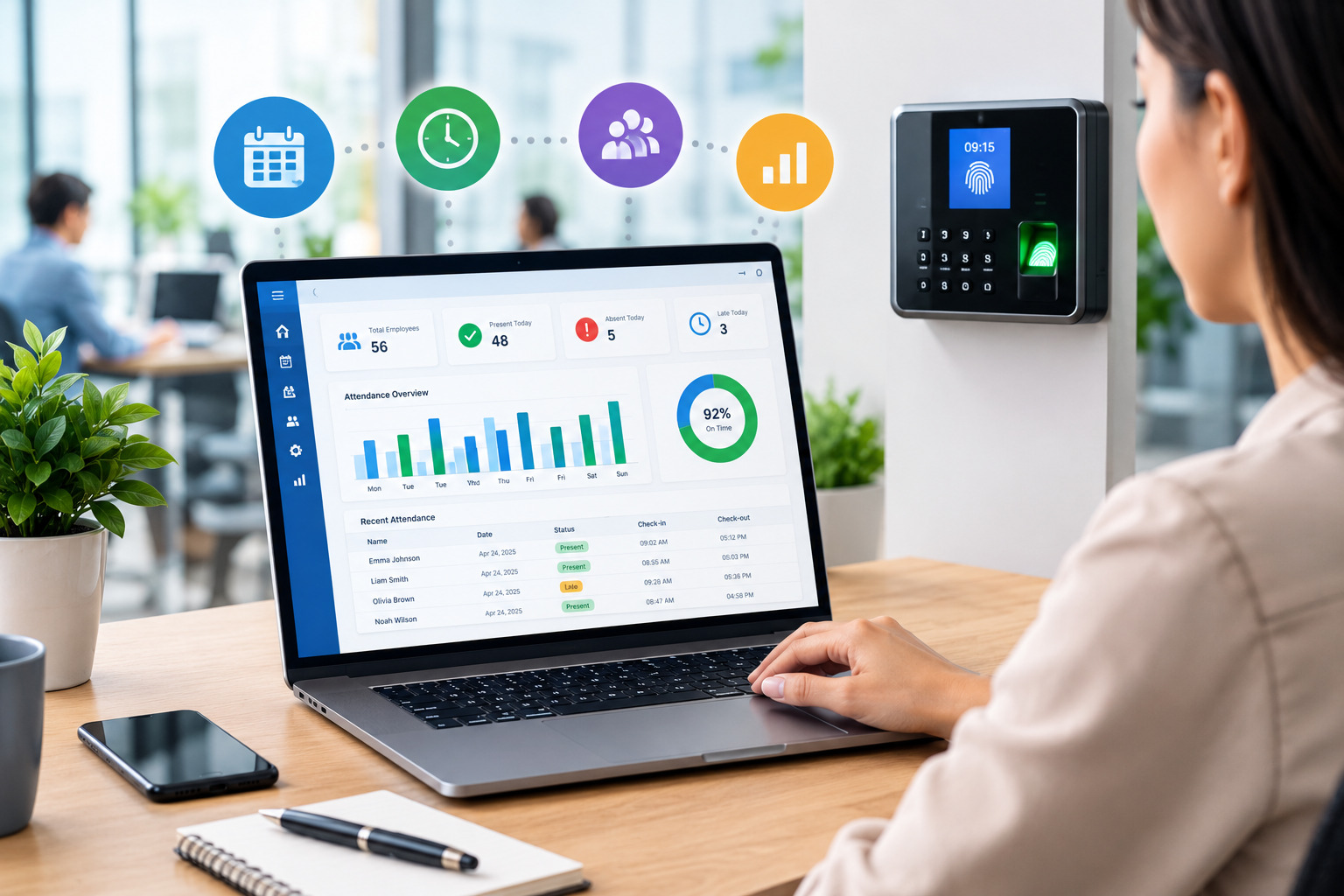
Organizations with remote or distributed teams often use workforce management software to monitor attendance patterns and maintain accurate employee records.
Poor Performance
Employees who consistently fail to meet expectations may require performance-based corrective action. Poor performance can affect project timelines, customer satisfaction, and team productivity.
Signs of performance issues may include:
- Missed deadlines
- Low productivity
- Poor quality work
- Lack of accountability
- Failure to achieve KPIs
Before taking formal action, employers should clearly communicate expectations and provide employees with opportunities for improvement.
Workplace Misconduct
Serious misconduct can damage workplace culture and create legal risks for organizations. These situations often require immediate HR involvement and proper documentation.
Examples include:
- Harassment or discrimination
- Bullying or intimidation
- Inappropriate workplace behavior
- Violation of workplace policies
- Breach of confidentiality
Employers should always investigate misconduct thoroughly before taking disciplinary action.
Also read : Calling Out of Work: When, Why, and How to Do It Professionally
Types of Disciplinary Action
Organizations usually follow a progressive disciplinary process that becomes more serious if problems continue.
1. Verbal Warning
A verbal warning is typically the first step in the disciplinary process. Managers discuss the issue privately with the employee and explain the expected improvements.
Although verbal warnings are informal compared to written actions, they should still be documented internally for HR records.
A verbal warning conversation may include:
- Description of the issue
- Impact on the team or business
- Expectations moving forward
- Timeline for improvement
This approach often works well for minor attendance or performance concerns.
2. Written Warning
If the issue continues after a verbal warning, employers may issue a formal written warning. This document creates an official record of the problem and outlines consequences if improvements are not made.
A written warning typically includes:
- Details of the incident or performance issue
- Company policy violations
- Previous discussions or warnings
- Required corrective actions
- Deadlines for improvement
Written warnings help ensure consistency and legal protection for the organization.
3. Performance Improvement Plan (PIP)
A Performance Improvement Plan (PIP) is designed to help employees improve performance under structured guidance. Instead of immediately moving toward termination, organizations use PIPs to support employee development.
A typical PIP includes:
- Specific performance goals
- Measurable expectations
- Training or support resources
- Review timelines
- Consequences if goals are not achieved
PIPs are commonly used for productivity, communication, or leadership improvement.
4. Suspension
Suspension is used for more serious workplace issues or ongoing policy violations. Depending on company policies and local labor laws, suspensions may be paid or unpaid.
Employers often use suspension while:
- Investigating workplace misconduct
- Addressing major policy violations
- Preventing workplace disruption
Because suspensions can have legal implications, HR teams should ensure all actions follow company policies and employment laws.
5. Termination
Termination is generally the final step when:
- Serious misconduct occurs
- Employee behavior fails to improve
- Workplace policies are repeatedly violated
Before termination, organizations should ensure they have:
- Proper documentation
- Evidence of previous warnings
- Consistent disciplinary records
Clear documentation helps reduce legal risks and demonstrates fair treatment.
Best Practices for Managing Disciplinary Action
A successful disciplinary process should focus on fairness, consistency, and improvement rather than punishment alone.
Maintain Clear Policies
Employees should understand:
- Workplace expectations
- Attendance policies
- Behavioral standards
- Consequences for violations
A well-written employee handbook reduces confusion and improves compliance.
Document Everything
Documentation is one of the most important parts of employee discipline. Employers should maintain records of:
- Meetings
- Warnings
- Attendance issues
- Performance concerns
- Corrective action plans
Accurate records protect organizations from disputes and legal claims.
Be Consistent
Managers should apply workplace policies equally across all employees. Inconsistent discipline can create resentment, reduce trust, and increase compliance risks.
Focus on Employee Growth
Disciplinary action should encourage improvement whenever possible. Employees are more likely to respond positively when feedback is constructive and solution-focused.
Common Disciplinary Action Mistakes
Many organizations unintentionally create HR risks by mishandling employee discipline.
Some common mistakes include:
- Delaying corrective action
- Failing to document incidents
- Acting emotionally instead of professionally
- Applying policies inconsistently
- Using vague expectations
Avoiding these mistakes helps organizations create a more transparent and legally compliant workplace.
How Workforce Management Software Helps HR Teams
Modern workforce management software helps businesses simplify disciplinary tracking and employee management by centralizing workforce data in one platform.
With workforce software, organizations can monitor:
- Employee attendance
- Scheduling records
- Productivity trends
- Policy violations
- Performance reviews
- Employee documentation
This allows HR teams to make fair, data-driven decisions based on accurate workforce records instead of assumptions.
Office1Solution helps organizations streamline workforce operations with tools for employee scheduling, attendance tracking, timesheets, reporting, and workforce visibility. By centralizing employee data, businesses can improve accountability, simplify compliance, and manage disciplinary processes more efficiently.
Final Thoughts
Disciplinary action is an essential part of workforce management and organizational success. When handled properly, it improves accountability, strengthens workplace culture, and helps employees grow professionally.
Businesses that combine clear HR policies with workforce management technology can create a more transparent, productive, and compliant work environment. Instead of viewing disciplinary action as punishment, organizations should treat it as a structured process designed to improve both employee performance and operational efficiency.
As workplaces continue evolving with remote teams, flexible schedules, and distributed workforces, having a reliable workforce management system becomes increasingly important for maintaining visibility, consistency, and compliance across the organization.
Recent Posts
- Time and Attendance Software: Complete Guide for Employers
- Time and Attendance: What’s the Difference Between the Two?

- How to Reduce Timesheet Errors and Improve Payroll Accuracy

- Timesheet App for Employees: Features, Benefits & Best Practices

- Timesheet Software vs. Excel: Which Is Better for Businesses?
Stay Ahead. Simplify Workforce Management.
Empower your teams to work efficiently with a unified workforce platform built for clarity, control, and actionable insights across your organization.