

Minimum wage laws play a critical role in protecting workers, maintaining fair compensation standards, and ensuring businesses comply with labor regulations. Whether you are an employer managing payroll or an employee trying to understand your rights, knowing how minimum wage works is essential in today’s workforce environment.
As labor laws continue evolving across different states and industries, businesses must stay updated on minimum wage requirements to avoid penalties, payroll errors, and compliance risks. Employees also need to understand how minimum wage affects earnings, overtime, and workplace rights.
In this complete guide, we’ll explain everything you need to know about minimum wage, including how it works, federal and state wage laws, employer responsibilities, overtime rules, exemptions, and how workforce management software helps businesses maintain payroll compliance.
What Is Minimum Wage?
Minimum wage is the lowest hourly rate employers are legally allowed to pay employees for their work. Governments establish minimum wage laws to ensure workers receive fair compensation for their labor and to help maintain basic living standards.
In the United States, minimum wage laws are regulated at both:
- Federal level
- State level
- Local city or county level
When multiple wage laws apply, employers are generally required to follow the highest applicable minimum wage rate.
Minimum wage laws are designed to:
- Protect workers from unfair pay
- Reduce wage exploitation
- Improve income stability
- Support economic fairness
For businesses, understanding minimum wage compliance is essential for maintaining legal payroll practices.
Federal Minimum Wage in the United States
The federal minimum wage is established under the Fair Labor Standards Act (FLSA). The current federal minimum wage remains $7.25 per hour for covered nonexempt employees.
However, many states and cities have implemented significantly higher minimum wage rates due to rising living costs and regional economic conditions.
Employers operating across multiple states often face challenges managing different wage requirements for various locations and employee classifications.
This is why accurate payroll management and workforce tracking systems have become increasingly important.
Also read : Bi-Weekly vs. Semi-Monthly Payroll: Differences, Pros & Cons (2026 Guide)
State Minimum Wage Laws
While federal law sets the national baseline, many states require employers to pay higher minimum wages.
States such as:
- California
- Washington
- New York
- Massachusetts
have some of the highest minimum wage rates in the country.
In contrast, some states still follow the federal minimum wage standard.
For businesses operating in multiple regions, staying updated on changing wage regulations can become complex, especially for companies managing remote employees, field workers, contractors, or distributed teams.
Employers must regularly monitor state and local labor law updates to remain compliant.
Why Minimum Wage Matters
Minimum wage laws affect both employees and businesses in several important ways.
For employees, minimum wage laws help:
- Ensure fair compensation
- Improve financial stability
- Reduce income inequality
- Protect workplace rights
For employers, wage compliance helps:
- Avoid legal penalties
- Maintain employee trust
- Improve workforce retention
- Support fair workplace practices
Businesses that fail to comply with wage laws may face:
- Fines
- Lawsuits
- Back wage claims
- Payroll audits
- Reputational damage
As labor regulations continue evolving, accurate workforce management has become more important than ever.
Who Is Covered by Minimum Wage Laws?
Most nonexempt employees are covered under federal and state minimum wage laws. However, some categories of workers may have different wage rules or exemptions.
Common covered employees include:
- Full-time workers
- Part-time employees
- Hourly workers
- Retail employees
- Hospitality workers
- Office staff
Certain industries may also have special wage regulations related to:
- Tips
- Overtime
- Seasonal employment
- Youth workers
Employers should carefully review labor laws based on employee classification and location.
Minimum Wage for Tipped Employees
Tipped employees, such as restaurant servers and hospitality staff, often have different minimum wage structures.
Under federal law, employers may pay a lower direct wage if employees earn enough tips to meet the required minimum wage threshold.
However, tipped wage laws vary significantly by state.
Some states require employers to pay the full state minimum wage before tips, while others allow tip credits.
Businesses in hospitality, food service, and customer-facing industries must ensure payroll calculations remain accurate and compliant.
Also read : Statutory Sick Pay (SSP) in 2026: Complete Guide for Employees & Employers
Overtime and Minimum Wage
Minimum wage laws are closely connected to overtime regulations.
Under federal law, eligible nonexempt employees must generally receive:
- 1.5 times their regular hourly rate
- For hours worked beyond 40 hours per week
Incorrect overtime calculations are one of the most common payroll compliance issues businesses face.
Employers should maintain accurate records of:
- Employee schedules
- Work hours
- Break times
- Overtime approvals
Workforce management software helps organizations simplify overtime tracking and reduce payroll errors.
Common Minimum Wage Compliance Challenges
Many businesses struggle with payroll compliance because of:
- Changing labor laws
- Multi-state operations
- Manual payroll systems
- Attendance tracking inaccuracies
- Employee misclassification
- Overtime calculation errors
Companies managing remote teams or distributed workforces often face even greater compliance challenges due to varying state wage laws.
Without accurate workforce records, payroll mistakes can quickly create legal and operational risks.
How Minimum Wage Increases Affect Businesses
Minimum wage increases can impact organizations in several ways.
Businesses may experience:
- Higher payroll costs
- Increased overtime expenses
- Budget adjustments
- Staffing changes
- Pricing strategy updates
However, higher wages can also improve:
- Employee retention
- Job satisfaction
- Productivity
- Recruitment efforts
Organizations that proactively prepare for wage increases are better positioned to manage operational costs effectively.
Minimum Wage and Workforce Management
Managing wage compliance manually becomes increasingly difficult as businesses grow.
Modern workforce management systems help businesses:
- Track employee work hours
- Monitor attendance
- Manage overtime
- Maintain payroll accuracy
- Store workforce records
- Improve compliance visibility
By centralizing workforce data, businesses can reduce payroll errors and simplify labor law compliance.
Office1Solution helps organizations manage workforce operations with employee scheduling, attendance tracking, timesheets, reporting, and workforce visibility tools that support payroll accuracy and operational efficiency.
Best Practices for Minimum Wage Compliance
Businesses should take a proactive approach to wage compliance to reduce risks and improve payroll management.
Stay Updated on Labor Laws
Minimum wage rates frequently change at federal, state, and local levels.
Employers should regularly monitor:
- State labor department updates
- Wage increase announcements
- Overtime regulation changes
Maintain Accurate Time Tracking
Payroll accuracy depends on reliable attendance and work hour records.
Using automated time tracking systems helps reduce:
- Payroll disputes
- Overtime errors
- Attendance inconsistencies
Classify Employees Correctly
Employee misclassification is one of the most common compliance mistakes.
Businesses should ensure workers are properly categorized as:
- Exempt
- Nonexempt
- Contractor
- Full-time
- Part-time
Use Workforce Management Software
Modern workforce management platforms simplify payroll compliance by centralizing scheduling, attendance, and reporting.
This improves:
- Workforce visibility
- Payroll accuracy
- Compliance monitoring
- Operational efficiency
Common Minimum Wage Myths
There are many misconceptions surrounding minimum wage laws.
“Federal Minimum Wage Applies Everywhere”
This is incorrect. Many states and cities require higher wages than the federal standard.
“Salary Employees Don’t Qualify for Overtime”
Not all salaried employees are exempt from overtime rules.
Employee classification depends on job duties and salary thresholds.
“Small Businesses Are Exempt”
Many small businesses are still required to follow state or federal wage laws.
Employers should review applicable regulations carefully.
Frequently Asked Questions
What is the current federal minimum wage?
The federal minimum wage in the United States is currently $7.25 per hour for covered nonexempt employees.
Do states have different minimum wage laws?
Yes. Many states and cities require higher minimum wages than the federal standard.
What happens if employers violate minimum wage laws?
Businesses may face penalties, wage claims, lawsuits, audits, and legal action for noncompliance.
Are tipped employees covered by minimum wage laws?
Yes, but tipped employee wage rules vary depending on state laws and tip credit regulations.
How can businesses improve payroll compliance?
Using workforce management software, automated time tracking, and accurate payroll systems helps businesses maintain compliance.
Final Thoughts
Minimum wage laws are an essential part of workforce management and payroll compliance. As labor regulations continue evolving across states and industries, businesses must stay informed and maintain accurate payroll practices to avoid costly mistakes.
Employers who invest in structured workforce management systems, automated attendance tracking, and payroll accuracy tools are better prepared to manage compliance while improving operational efficiency.
For modern organizations managing remote teams, flexible schedules, and distributed workforces, workforce management technology plays a critical role in simplifying payroll operations, improving transparency, and supporting long-term business growth.
Recent Posts
- Time and Attendance Software: Complete Guide for Employers
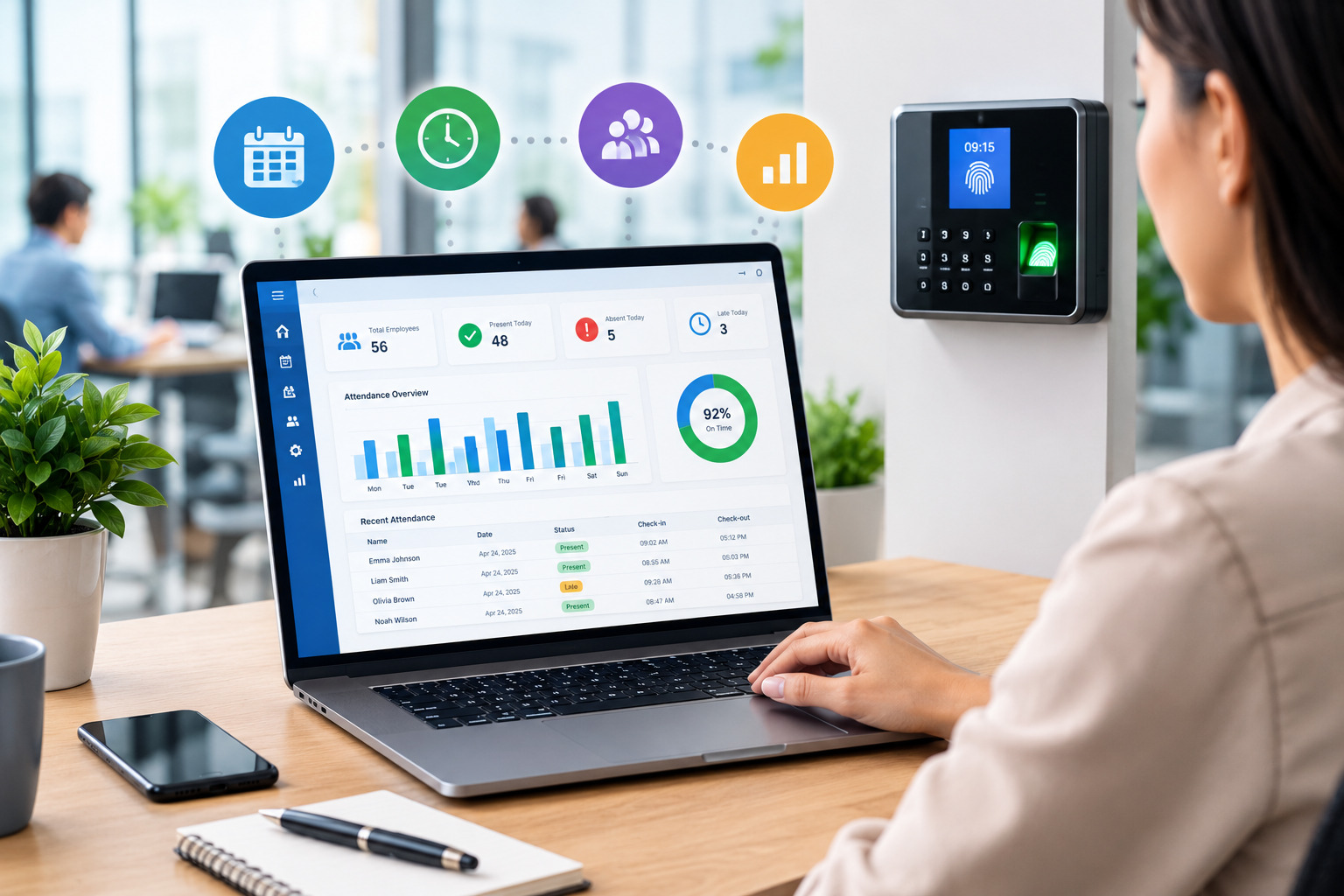
- Time and Attendance: What’s the Difference Between the Two?

- How to Reduce Timesheet Errors and Improve Payroll Accuracy

- Timesheet App for Employees: Features, Benefits & Best Practices

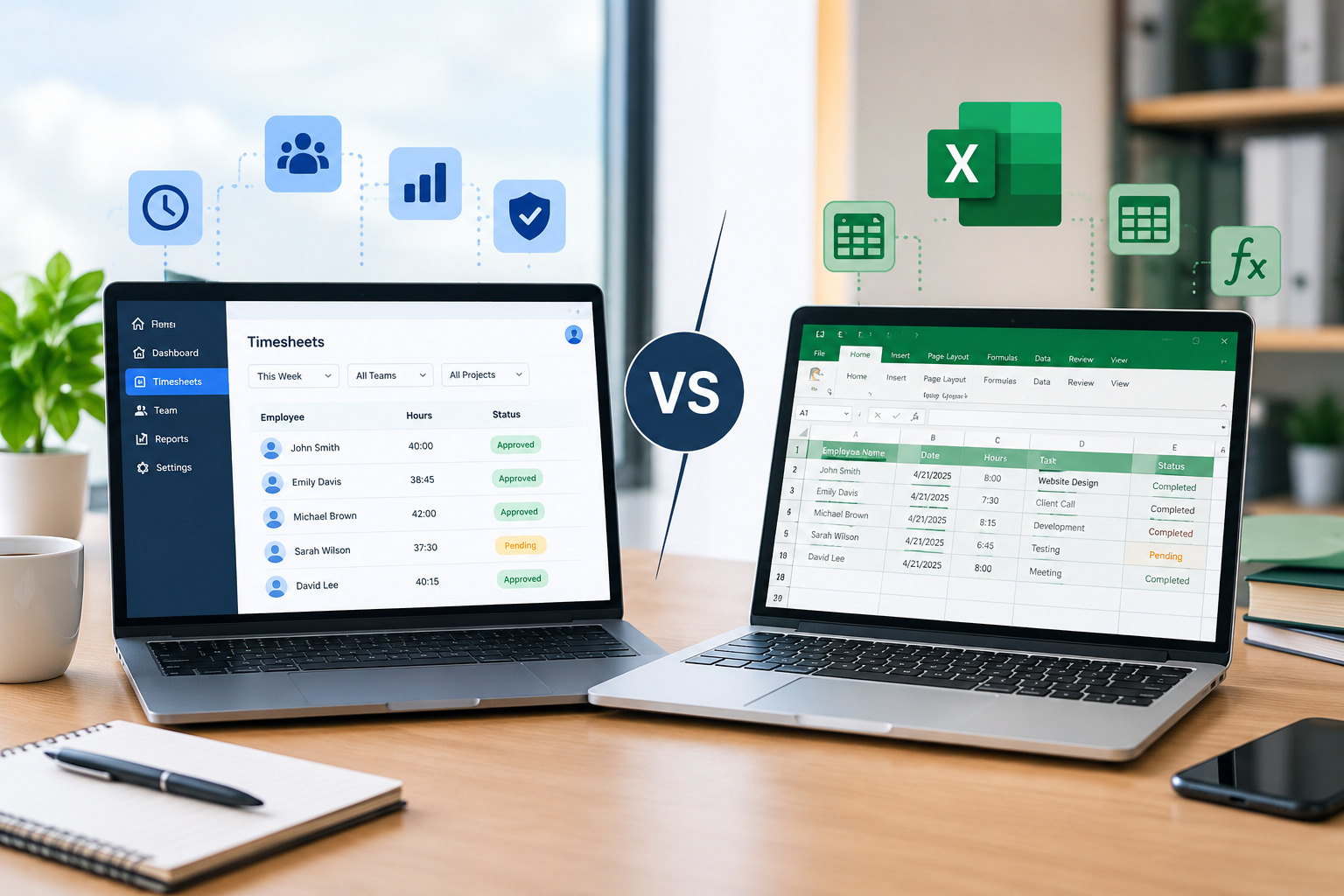
- Timesheet Software vs. Excel: Which Is Better for Businesses?
Stay Ahead. Simplify Workforce Management.
Empower your teams to work efficiently with a unified workforce platform built for clarity, control, and actionable insights across your organization.