

Running your own business comes with freedom—but also the responsibility of managing your taxes effectively. One of the biggest advantages of being self-employed is the ability to claim a wide range of tax deductions that significantly reduce your taxable income.
In 2026, with evolving tax rules and higher deduction limits, understanding these deductions is no longer optional—it’s essential. Whether you are a freelancer, consultant, agency owner, or small business operator, this guide will help you maximize savings, stay compliant, and make smarter financial decisions.
Understanding Self-Employment Tax and Why Deductions Matter
Self-employment tax is a combination of Social Security and Medicare taxes that independent professionals must pay on their earnings. Unlike salaried employees, self-employed individuals bear the full burden of these taxes, which makes deductions even more critical.
What makes deductions powerful is their direct impact on your taxable income. Instead of paying taxes on your total earnings, you only pay on your net profit—the amount left after subtracting business expenses. This means every legitimate expense you claim helps reduce your tax liability and increases your retained income.
In practical terms, effective tax planning can save thousands—or even tens of thousands—of rupees or dollars each year.
Home Office Deduction: Turning Your Workspace into a Tax Advantage
The home office deduction remains one of the most valuable benefits for self-employed professionals in 2026. If you use a dedicated space in your home exclusively for business purposes, you can claim a portion of your housing-related expenses.
This includes rent, electricity, internet, maintenance, and even depreciation if you own your property. The key requirement is that the space must be used regularly and solely for business activities.
There are two methods available: the simplified method, which applies a fixed rate per square foot, and the actual expense method, which calculates the real percentage of expenses used for business. Choosing the right method depends on your situation, but both offer meaningful savings when applied correctly.
Also read : Make Payroll a Breeze With Our Free Pay Stub Template (2026 Guide)
Vehicle and Travel Expenses: Deducting Business Movement Costs
If your business requires travel—whether meeting clients, attending events, or managing operations—you can deduct vehicle-related expenses. In 2026, this remains one of the most commonly claimed deductions.
You can either use the standard mileage rate or calculate actual expenses such as fuel, servicing, insurance, and depreciation. The important factor is maintaining accurate records of business-related travel.
Similarly, business travel expenses like flights, hotel stays, and local transportation are deductible, provided they are directly related to your business. Even meals during business travel can be partially deducted, making this category highly valuable for professionals who frequently travel.
Marketing and Advertising: Investing in Growth While Saving Taxes
Marketing is not just an investment in business growth—it’s also fully tax-deductible. Expenses related to promoting your business, such as online ads, social media campaigns, SEO services, website development, and branding, can all be claimed.
In today’s digital-first economy, businesses often spend a significant portion of their revenue on marketing. The good news is that these costs directly reduce taxable income, effectively lowering the real cost of acquiring customers.
This makes strategic marketing not only essential for growth but also beneficial from a tax perspective.
Business Equipment and Software: Leveraging Technology for Deductions
Modern businesses rely heavily on technology, and the tax system recognizes this. Purchases such as laptops, mobile devices, software subscriptions, and specialized tools required for your business can be deducted.
In many cases, you can either spread the cost over several years (depreciation) or deduct the full amount in the same year under provisions like Section 179 (in applicable jurisdictions).
This allows business owners to invest in better tools and systems without bearing the full financial burden upfront.
Health Insurance: A Critical Yet Often Overlooked Deduction
Healthcare costs can be significant, especially for self-employed individuals who do not receive employer-sponsored insurance. Fortunately, premiums paid for health insurance—covering yourself, your spouse, and dependents—are fully deductible.
This deduction not only reduces your taxable income but also encourages long-term financial and health security. In 2026, with rising healthcare costs, this benefit has become more valuable than ever.
Retirement Contributions: Building Wealth While Reducing Taxes
Planning for retirement is another area where self-employed individuals have a distinct advantage. Contributions to retirement plans such as SEP-IRAs or Solo 401(k)s are tax-deductible, allowing you to reduce your taxable income while building long-term wealth.
What makes this deduction powerful is its dual benefit: immediate tax savings and future financial security. With increased contribution limits in 2026, this has become one of the most effective strategies for high-income earners.
Also read : Statutory Sick Pay (SSP) in 2026: Complete Guide for Employees & Employers
Professional Services and Education: Investing in Expertise
Running a business often requires external expertise. Fees paid to accountants, legal advisors, consultants, or coaches are fully deductible, as they are essential for operating and growing your business.
Similarly, courses, certifications, and training programs that enhance your current skills or improve your business capabilities can also be claimed as deductions. This ensures that investing in your knowledge and growth is financially beneficial.
Understanding the Qualified Business Income (QBI) Deduction
One of the most powerful tax benefits available to self-employed individuals is the Qualified Business Income (QBI) deduction. This allows eligible taxpayers to deduct up to 20% of their business income.
While there are income thresholds and eligibility criteria, this deduction can significantly reduce tax liability when applied correctly. For many business owners, it represents one of the largest savings opportunities available.
Common Mistakes That Can Cost You Money
Despite the availability of numerous deductions, many self-employed individuals fail to take full advantage of them. Some of the most common mistakes include poor record-keeping, mixing personal and business expenses, and missing out on key deductions like home office or retirement contributions.
Another major issue is lack of documentation. Without proper records, even legitimate deductions can be disallowed during audits. This highlights the importance of maintaining organized financial data throughout the year.
The Shift Toward Automation in Tax and Financial Management
In 2026, businesses are rapidly moving away from manual bookkeeping and spreadsheets. The complexity of tax regulations, combined with the need for accuracy, has made automation a necessity rather than a luxury.
Modern systems can track expenses in real time, categorize transactions, calculate deductions, and ensure compliance with evolving tax laws. This not only reduces errors but also saves significant time and effort.
Simplify Your Tax Management with Smart Business Solutions
Managing self-employment taxes manually can be overwhelming, especially as your business grows. From tracking expenses to ensuring compliance, the process requires time, accuracy, and expertise.
This is where smart business solutions come into play.
Platforms like Office1Solution are designed to help businesses streamline their operations by automating payroll, expense tracking, and compliance processes. Instead of worrying about missed deductions or calculation errors, you can rely on structured systems that handle the complexity for you.
By adopting the right tools, you not only reduce financial risks but also gain more time to focus on scaling your business.
Explore smarter solutions for your business: https://office1solution.com/
Turn Taxes into a Strategic Advantage
Self-employment taxes don’t have to be a burden. With the right understanding and approach, they can become a powerful tool for financial optimization.
The key lies in awareness, consistency, and smart systems. By leveraging all available deductions and maintaining proper records, you can significantly reduce your tax liability while strengthening your financial position.
In 2026, success is not just about how much you earn—it’s about how much you keep.
Recent Posts
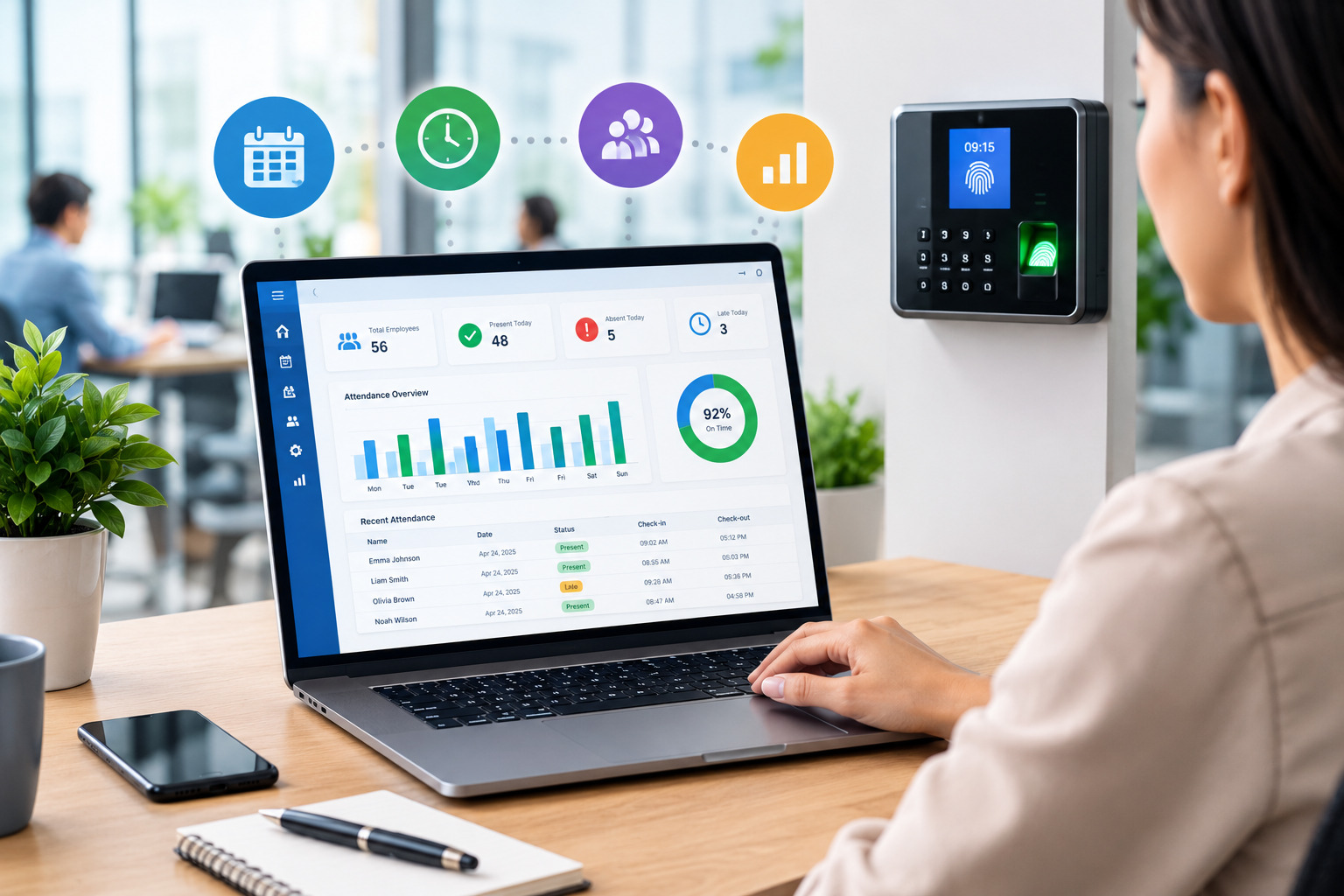
- Time and Attendance Software: Complete Guide for Employers
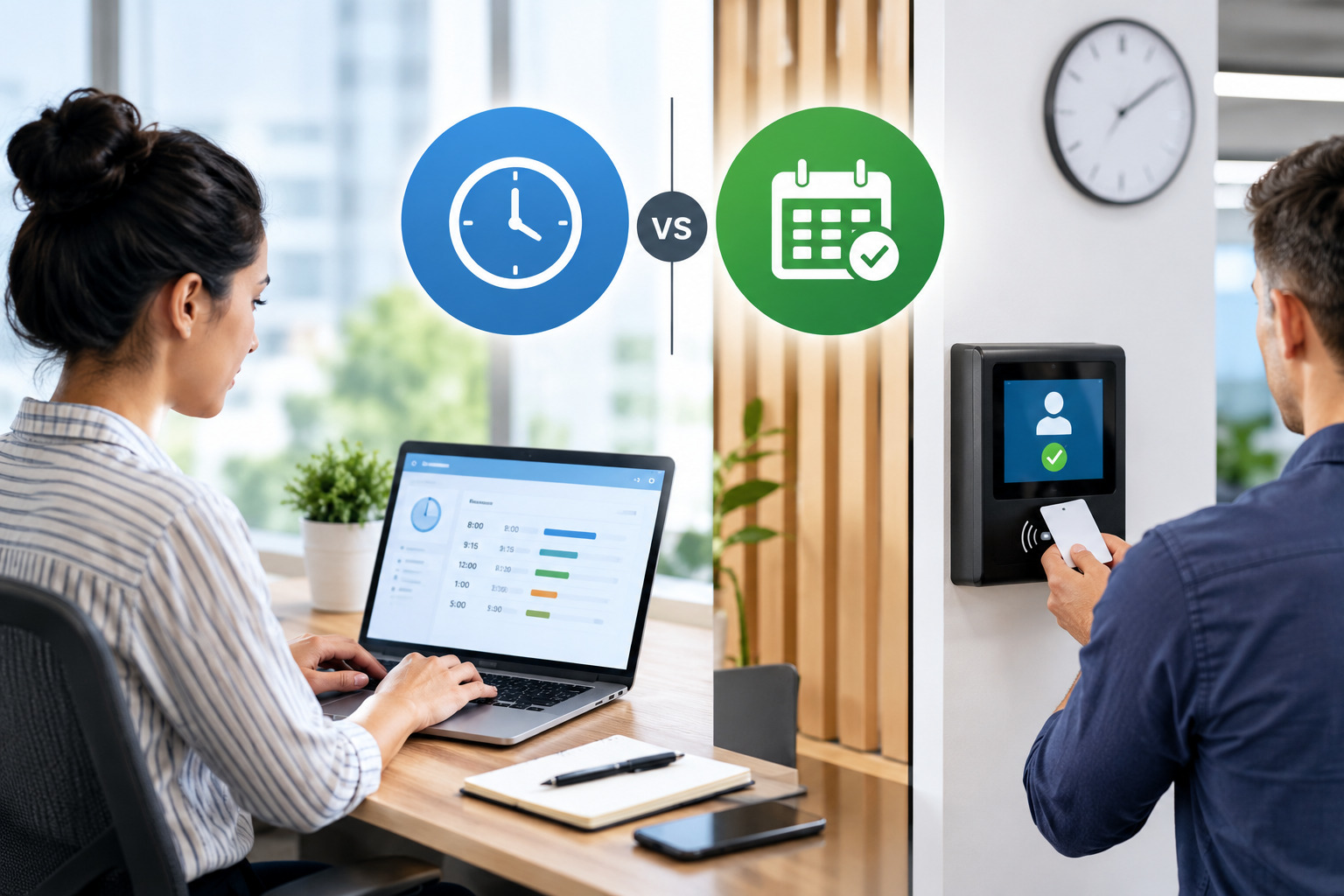
- Time and Attendance: What’s the Difference Between the Two?
- How to Reduce Timesheet Errors and Improve Payroll Accuracy

- Timesheet App for Employees: Features, Benefits & Best Practices

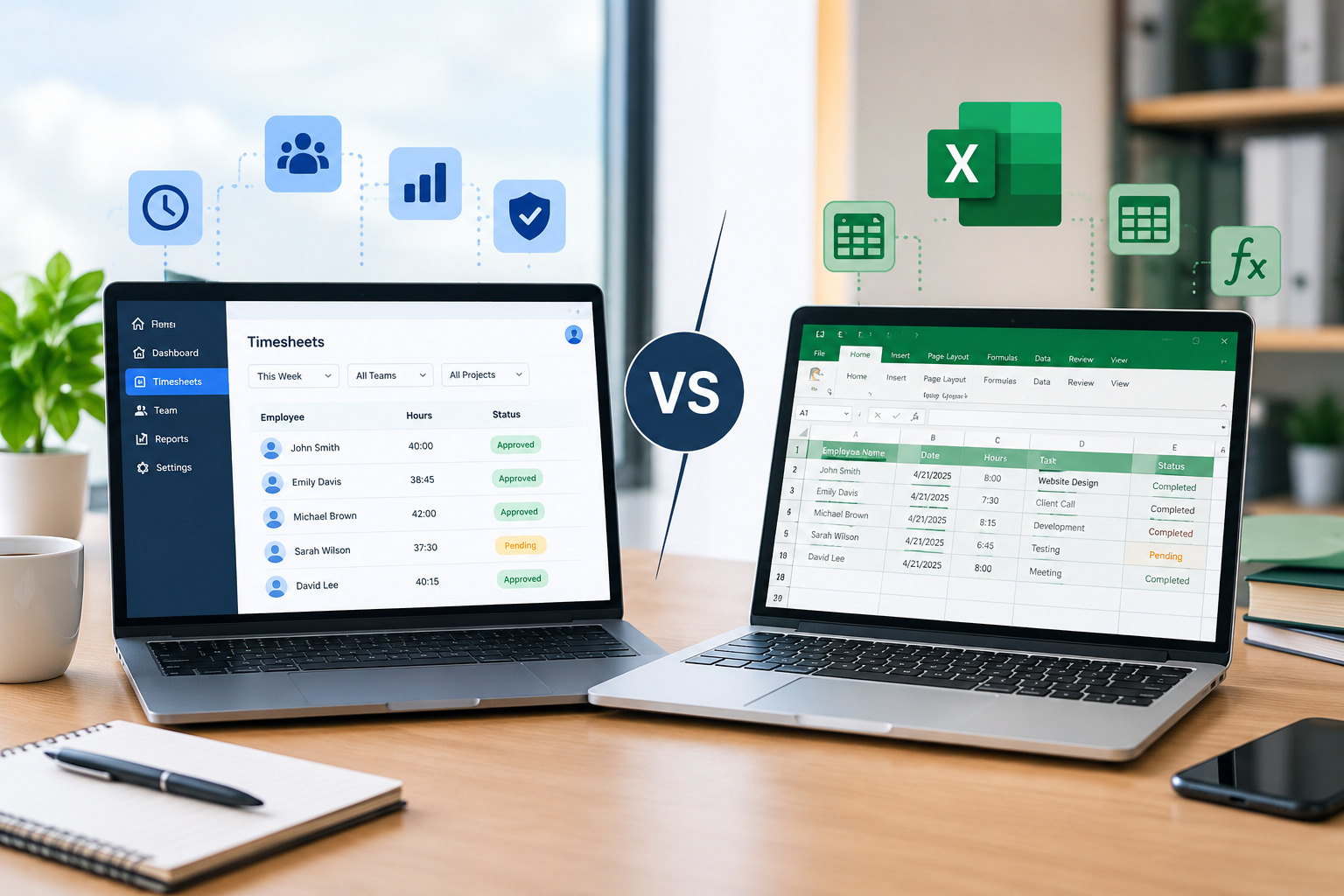
- Timesheet Software vs. Excel: Which Is Better for Businesses?
Stay Ahead. Simplify Workforce Management.
Empower your teams to work efficiently with a unified workforce platform built for clarity, control, and actionable insights across your organization.