

Workforce management has become one of the most important functions in modern business operations. As organizations adapt to hybrid work environments, distributed teams, changing labor regulations, and growing employee expectations, managing people efficiently has become increasingly complex.
Businesses today need more than simple attendance tracking or employee scheduling tools. They require a comprehensive approach that helps them optimize workforce productivity, improve operational visibility, reduce labor costs, and ensure employees have the resources they need to succeed.
This is where workforce management comes in.
A well-executed workforce management strategy helps organizations align employee availability, skills, productivity, and business demands. Companies that invest in workforce management often experience better employee engagement, improved efficiency, reduced operational costs, and stronger business performance.
In this guide, we’ll explore what workforce management is, why it matters, key components of workforce management, common challenges, and how modern workforce management software helps organizations operate more effectively.
What Is Workforce Management?
Workforce management (WFM) refers to the processes, strategies, and technologies organizations use to optimize employee performance and ensure the right people are available at the right time to meet business objectives.
Workforce management involves much more than scheduling employees. It includes managing attendance, tracking work hours, forecasting labor requirements, monitoring productivity, and analyzing workforce performance.
The primary goal of workforce management is to balance operational efficiency with employee satisfaction.
Organizations that effectively manage their workforce can:
- Improve productivity
- Reduce labor costs
- Enhance customer service
- Improve employee engagement
- Increase operational visibility
- Support business growth
As work environments continue evolving, workforce management has become a strategic business function rather than simply an administrative task.
Why Workforce Management Is Important
Employees are often the largest operational expense for most organizations. Without proper workforce management, businesses may struggle with scheduling conflicts, productivity issues, overtime costs, and employee dissatisfaction.
Effective workforce management helps organizations make better decisions about:
- Staffing levels
- Scheduling requirements
- Workload distribution
- Attendance management
- Labor forecasting
- Resource allocation
Businesses that successfully manage these areas can improve both operational performance and employee experiences.
Workforce management also helps organizations remain competitive by ensuring employees are utilized effectively without becoming overworked or disengaged.
The Evolution of Workforce Management
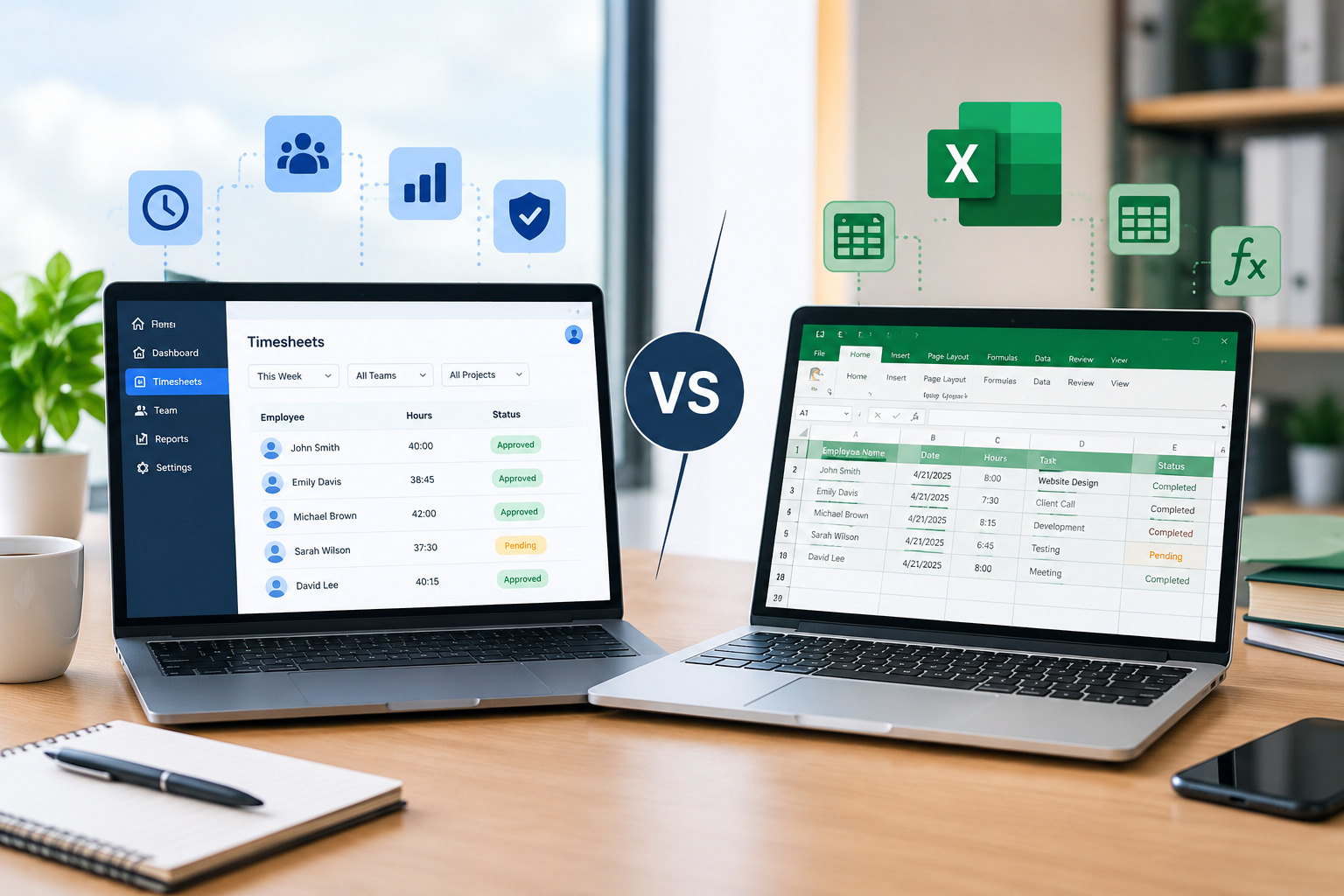
Traditionally, workforce management relied heavily on spreadsheets, manual scheduling, paper timesheets, and basic attendance systems.
Managers often spent significant time:
- Creating schedules
- Approving timesheets
- Tracking attendance
- Managing overtime
- Generating reports
These manual processes were often time-consuming and prone to errors.
Today’s workforce management systems automate many of these tasks while providing real-time insights into workforce performance.
Modern workforce management platforms support:
- Remote teams
- Hybrid workforces
- Mobile employees
- Multi-location businesses
- Shift-based operations
Technology has transformed workforce management from an administrative necessity into a powerful business intelligence tool.
Key Components of Workforce Management
Workforce management consists of several interconnected processes that help organizations manage employees more effectively.
Employee Scheduling
Scheduling is one of the most visible components of workforce management.
Organizations must ensure the right employees are available when business demand requires them.
Poor scheduling can result in:
- Understaffing
- Overtime expenses
- Employee burnout
- Reduced customer satisfaction
Effective scheduling helps organizations maintain productivity while supporting employee work-life balance.
Modern scheduling tools allow managers to create, adjust, and communicate schedules quickly and efficiently.
Attendance Management
Attendance tracking provides visibility into employee availability and workforce reliability.
Organizations need accurate attendance records to:
- Calculate payroll
- Monitor absenteeism
- Manage compliance
- Identify attendance trends
Manual attendance systems often create errors and administrative burdens.
Automated attendance management systems provide real-time visibility while reducing administrative workload.
Time Tracking and Timesheets
Accurate time tracking is critical for workforce visibility and payroll accuracy.
Organizations use time tracking systems to monitor:
- Work hours
- Overtime
- Project time
- Employee productivity
Timesheet management helps businesses maintain accurate workforce records while improving operational efficiency.
Businesses with remote or field-based employees especially benefit from modern time tracking solutions.
Workforce Planning
Workforce planning helps organizations anticipate future staffing needs.
Managers analyze business goals, workforce capacity, and operational requirements to determine:
- Hiring needs
- Skill gaps
- Resource allocation
- Future workforce demands
Strategic workforce planning helps organizations remain prepared for growth and changing business conditions.
Productivity Monitoring
Understanding workforce productivity allows managers to make informed operational decisions.
Productivity monitoring helps organizations evaluate:
- Employee performance
- Team efficiency
- Operational bottlenecks
- Resource utilization
The goal is not to monitor employees excessively but to identify opportunities for improvement and support workforce success.
When used appropriately, productivity insights help organizations improve performance while maintaining employee engagement.
Workforce Analytics and Reporting
Modern workforce management relies heavily on data.
Workforce analytics provide valuable insights into:
- Attendance patterns
- Labor costs
- Scheduling efficiency
- Overtime trends
- Productivity metrics
These insights help leaders make data-driven decisions that improve workforce performance and operational efficiency.
Organizations that leverage workforce analytics often gain a competitive advantage through better planning and resource management.
Common Workforce Management Challenges
Managing a workforce is not without challenges.
As organizations grow and workforce expectations evolve, managers face increasing complexity.
Scheduling Conflicts
One of the most common workforce management challenges involves scheduling.
Businesses frequently struggle with:
- Shift coverage
- Last-minute absences
- Overtime management
- Employee availability
Without proper scheduling systems, managers often spend significant time resolving conflicts.
Workforce Visibility
Many organizations lack real-time visibility into workforce operations.
Managers may struggle to answer questions such as:
- Who is currently working?
- Which teams are overloaded?
- Where are productivity bottlenecks occurring?
Limited visibility often leads to reactive decision-making rather than proactive workforce management.
Attendance and Absenteeism
Unplanned absences can disrupt operations and increase labor costs.
Organizations need effective attendance management systems to:
- Monitor absenteeism
- Identify trends
- Improve workforce reliability
Proactive attendance management helps minimize disruptions and improve operational stability.
Payroll Accuracy
Payroll depends on accurate workforce data.
Errors in attendance tracking, scheduling, or timesheets can lead to:
- Payroll discrepancies
- Compliance risks
- Employee dissatisfaction
Automated workforce management systems help improve payroll accuracy by centralizing workforce information.
Employee Engagement
Workforce management is not only about operational efficiency.
Organizations must also consider employee satisfaction and engagement.
Poor workforce management practices can contribute to:
- Burnout
- Turnover
- Reduced morale
- Lower productivity
Businesses that prioritize employee experiences often achieve better long-term workforce performance.
Benefits of Workforce Management Software
Modern workforce management software helps organizations address many of the challenges associated with managing employees.
By centralizing workforce operations, businesses gain greater visibility, efficiency, and control.
Improved Workforce Visibility
Managers can access real-time information regarding:
- Attendance
- Scheduling
- Work hours
- Productivity
This visibility supports faster and more informed decision-making.
Better Scheduling Efficiency
Automated scheduling tools help organizations:
- Reduce conflicts
- Optimize staffing levels
- Improve shift coverage
- Minimize overtime costs
Efficient scheduling supports both business performance and employee satisfaction.
Increased Productivity
Workforce management software reduces administrative burdens and streamlines operational processes.
Employees spend less time on manual tasks and more time on productive work.
Managers gain insights that help improve overall workforce performance.
Enhanced Compliance
Labor regulations continue evolving across industries and regions.
Workforce management systems help organizations maintain compliance by providing accurate workforce records and reporting capabilities.
Data-Driven Decision Making
Modern workforce management platforms generate reports and analytics that support strategic planning.
Leaders can identify trends, optimize staffing, and improve operational performance using accurate workforce data.
How Office1Solution Supports Workforce Management
Office1Solution helps organizations simplify workforce management through a centralized platform designed for modern businesses.
The platform provides tools for:
- Employee scheduling
- Attendance tracking
- Timesheet management
- Workforce reporting
- Productivity visibility
- Operational coordination
By connecting workforce data into one system, organizations can reduce administrative work, improve workforce visibility, and support better decision-making.
Whether managing office employees, remote teams, field staff, or shift-based operations, Office1Solution helps businesses operate more efficiently.
Future Trends in Workforce Management
The future of workforce management will be driven by technology, flexibility, and workforce analytics.
Organizations are increasingly adopting:
- Cloud-based workforce platforms
- Mobile workforce management tools
- Real-time reporting systems
- AI-powered workforce forecasting
- Automated scheduling solutions
As workforce expectations continue evolving, businesses that invest in modern workforce management strategies will be better positioned to attract talent, improve productivity, and achieve sustainable growth.
Frequently Asked Questions
What is workforce management?
Workforce management is the process of optimizing employee scheduling, attendance, productivity, and workforce operations to improve business performance.
Why is workforce management important?
Workforce management helps organizations improve efficiency, reduce labor costs, increase productivity, and support employee engagement.
What are the main components of workforce management?
Key components include scheduling, attendance tracking, time tracking, workforce planning, productivity monitoring, and workforce analytics.
How does workforce management software help businesses?
Workforce management software automates administrative tasks, improves workforce visibility, supports scheduling, and provides data-driven insights.
Is workforce management only for large organizations?
No. Businesses of all sizes can benefit from workforce management practices and software solutions that improve operational efficiency.
Final Thoughts
Workforce management is no longer just about scheduling employees and tracking attendance. It has become a strategic function that directly impacts productivity, employee engagement, operational efficiency, and business growth.
Organizations that invest in effective workforce management gain greater visibility into workforce operations while improving decision-making and employee experiences. As businesses continue adapting to modern workplace challenges, workforce management will remain a critical driver of long-term success.
With the right processes, technology, and leadership approach, organizations can create productive, engaged, and high-performing workforces prepared for the future of work.
Recent Posts
- Time and Attendance Software: Complete Guide for Employers

- Time and Attendance: What’s the Difference Between the Two?

- How to Reduce Timesheet Errors and Improve Payroll Accuracy

- Timesheet App for Employees: Features, Benefits & Best Practices

- Timesheet Software vs. Excel: Which Is Better for Businesses?
Stay Ahead. Simplify Workforce Management.
Empower your teams to work efficiently with a unified workforce platform built for clarity, control, and actionable insights across your organization.